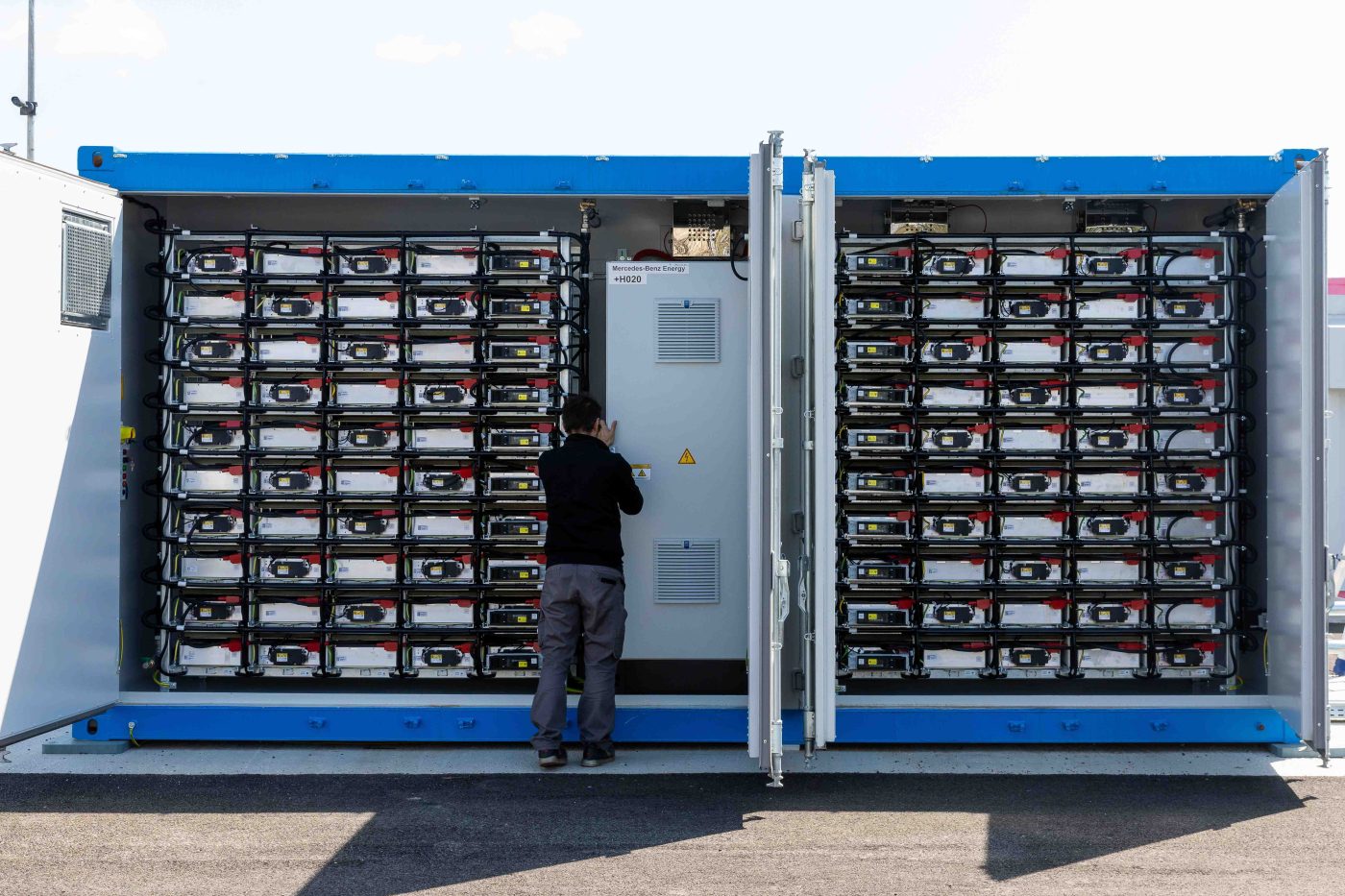
Batteries that are no longer used for e-cars can still be used for storage in different applications. It is the principle of circular economy.
Electric car batteries deteriorate relatively slowly, as they are built to last. However, after about ten years, their energy density drops to the point that they are no longer suitable for propulsion.
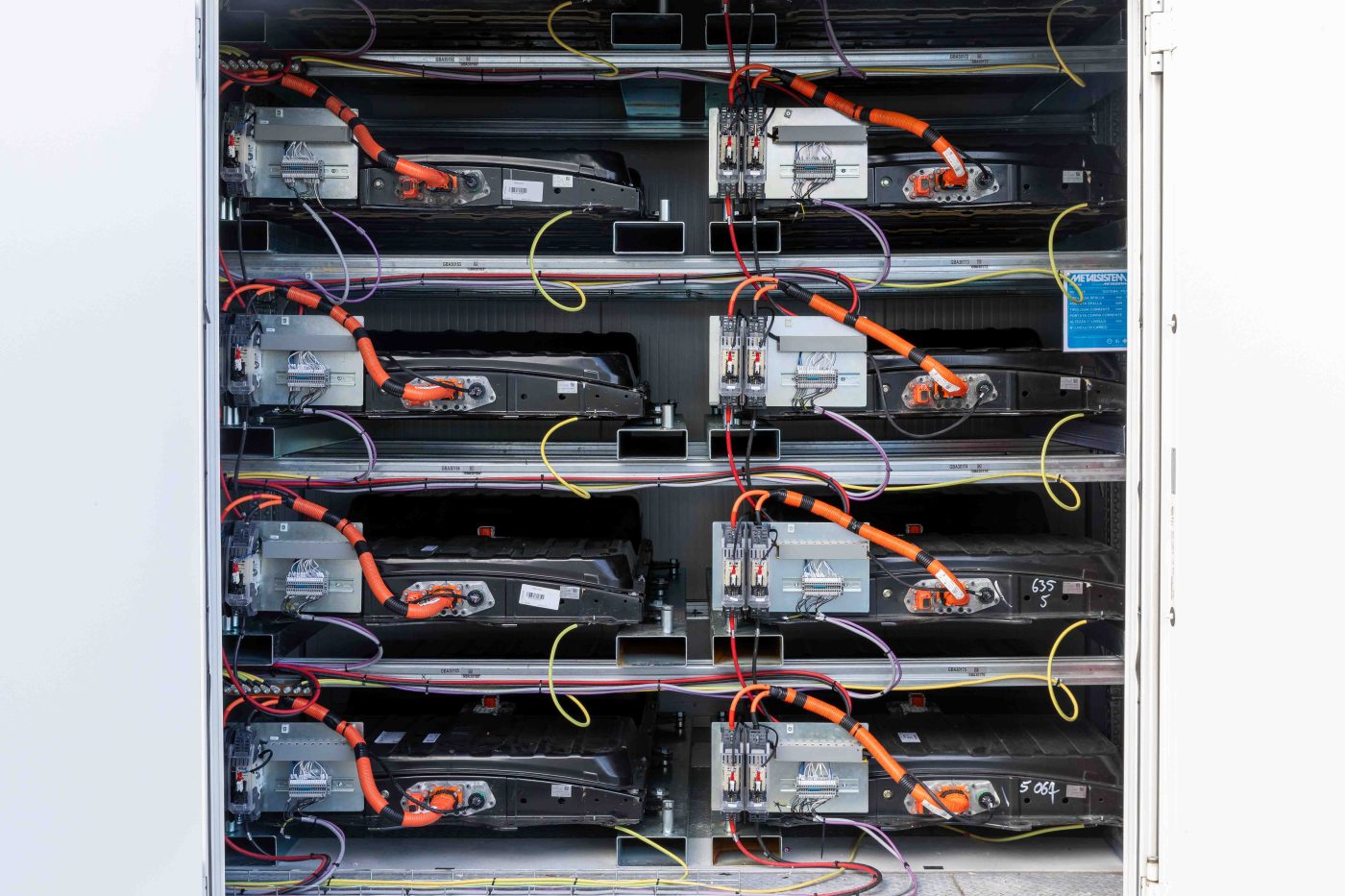
With a residual capacity of between 70 and 80%, exhausted car batteries can still be used in energy storage systems to ensure the safety of electricity grids. This is what we call a second life.
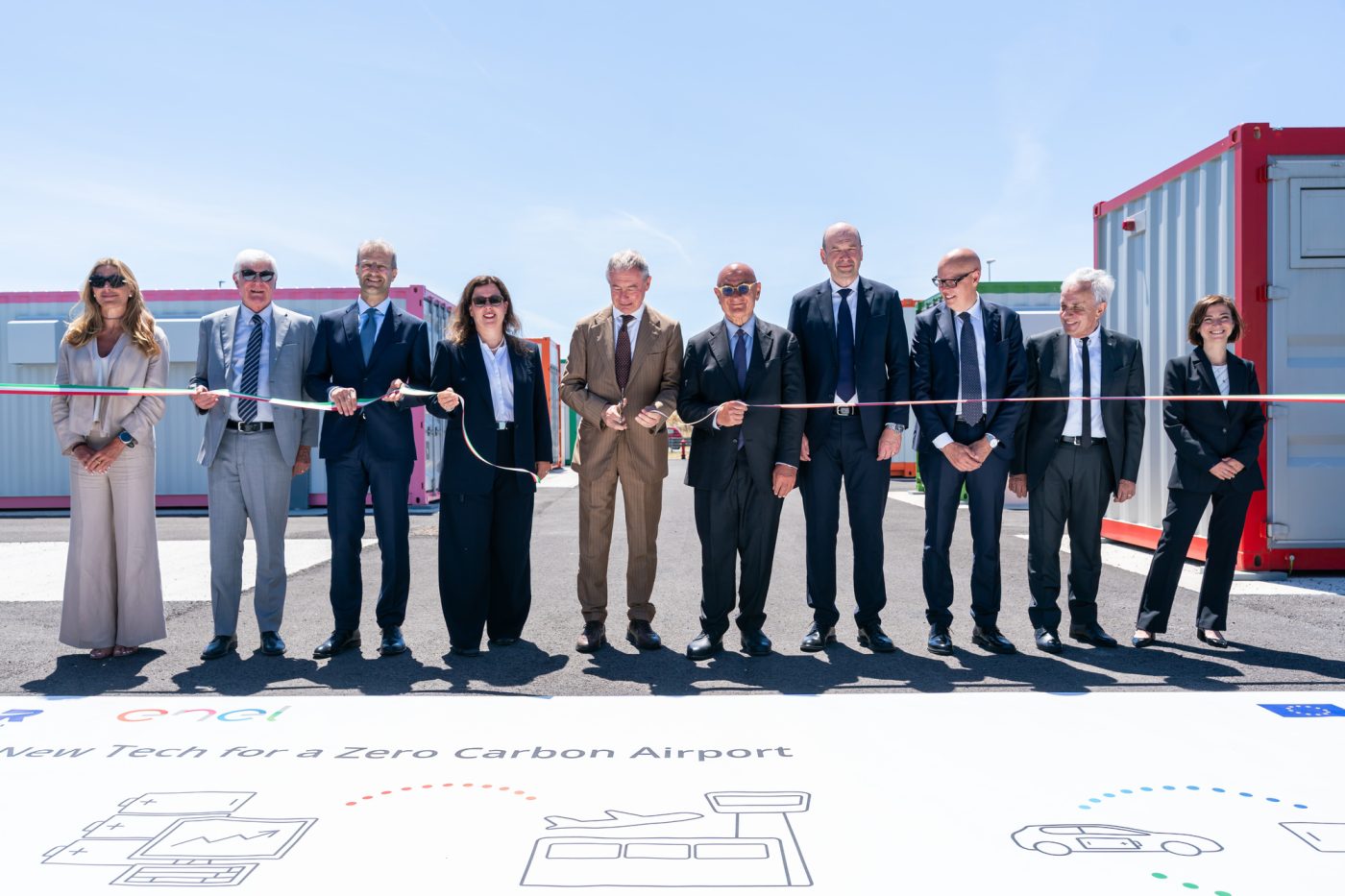
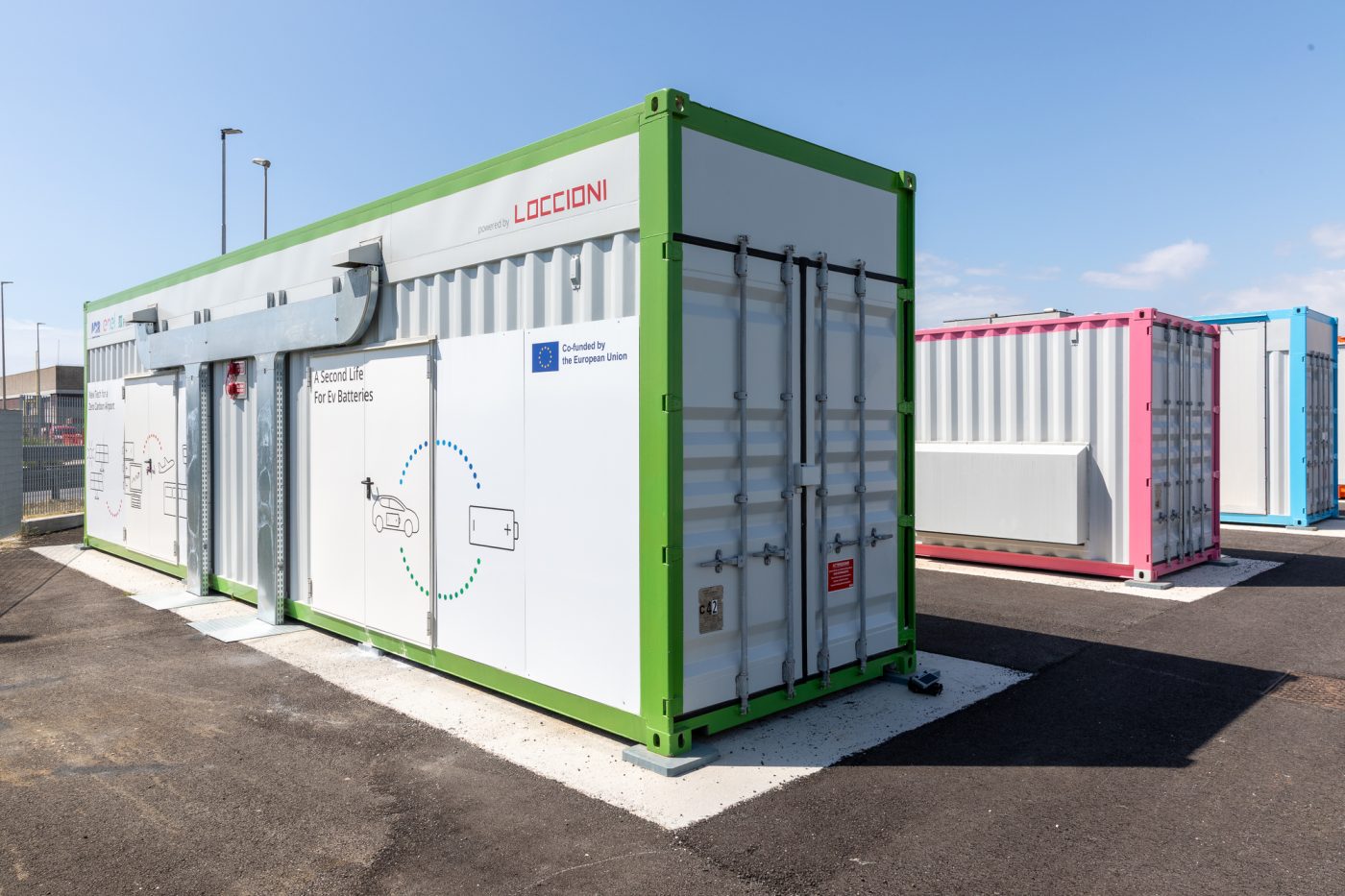
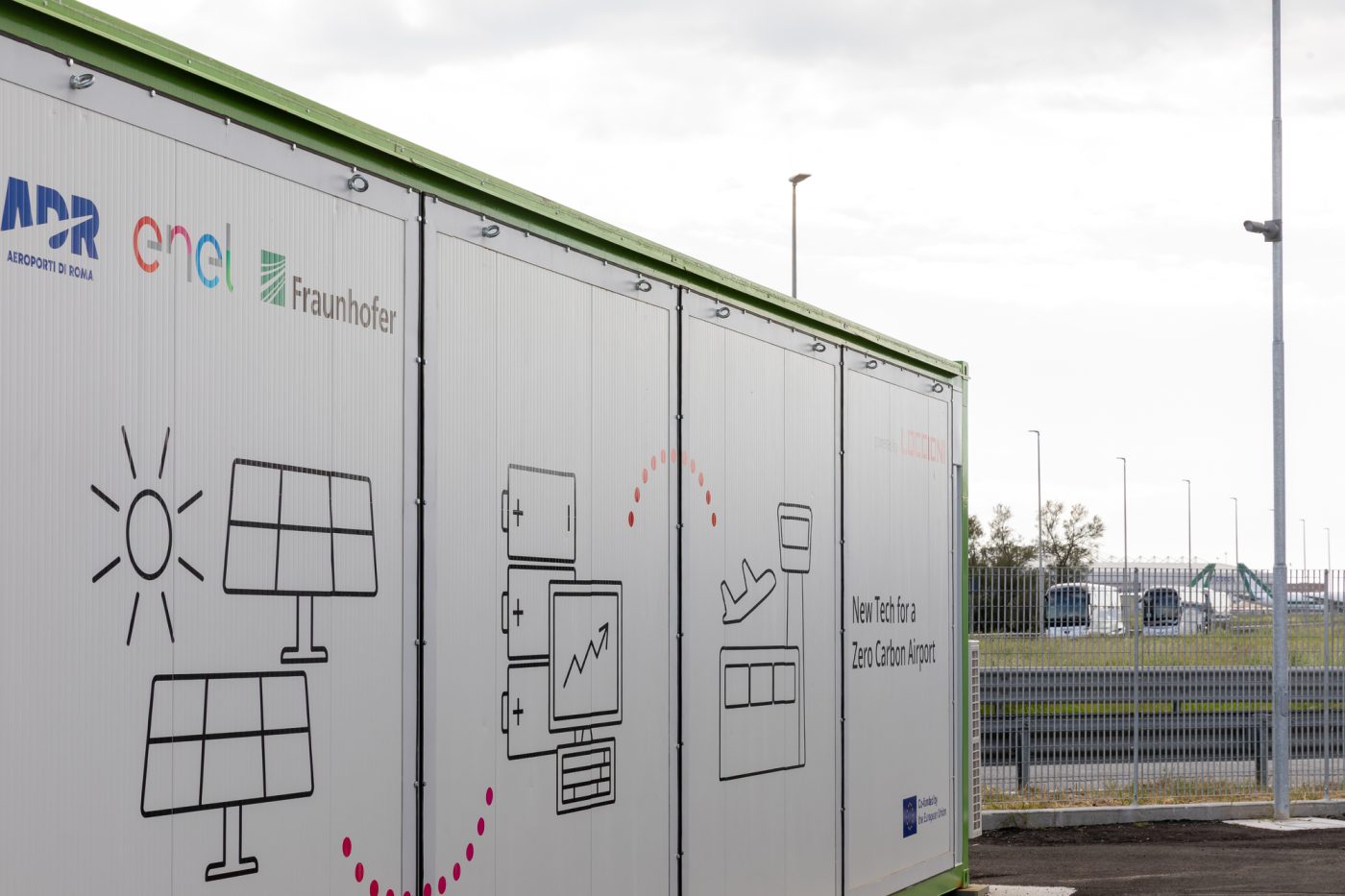
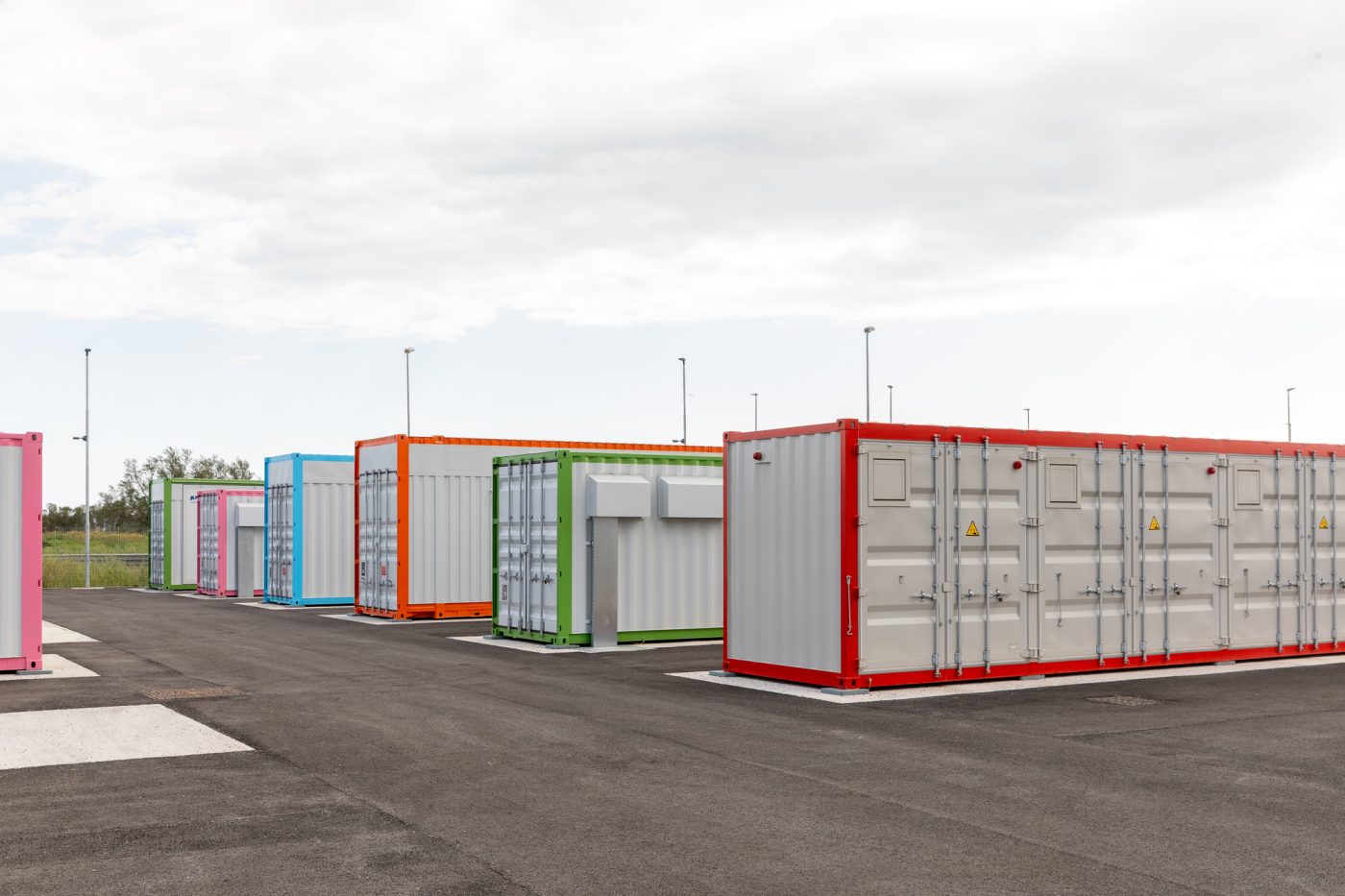
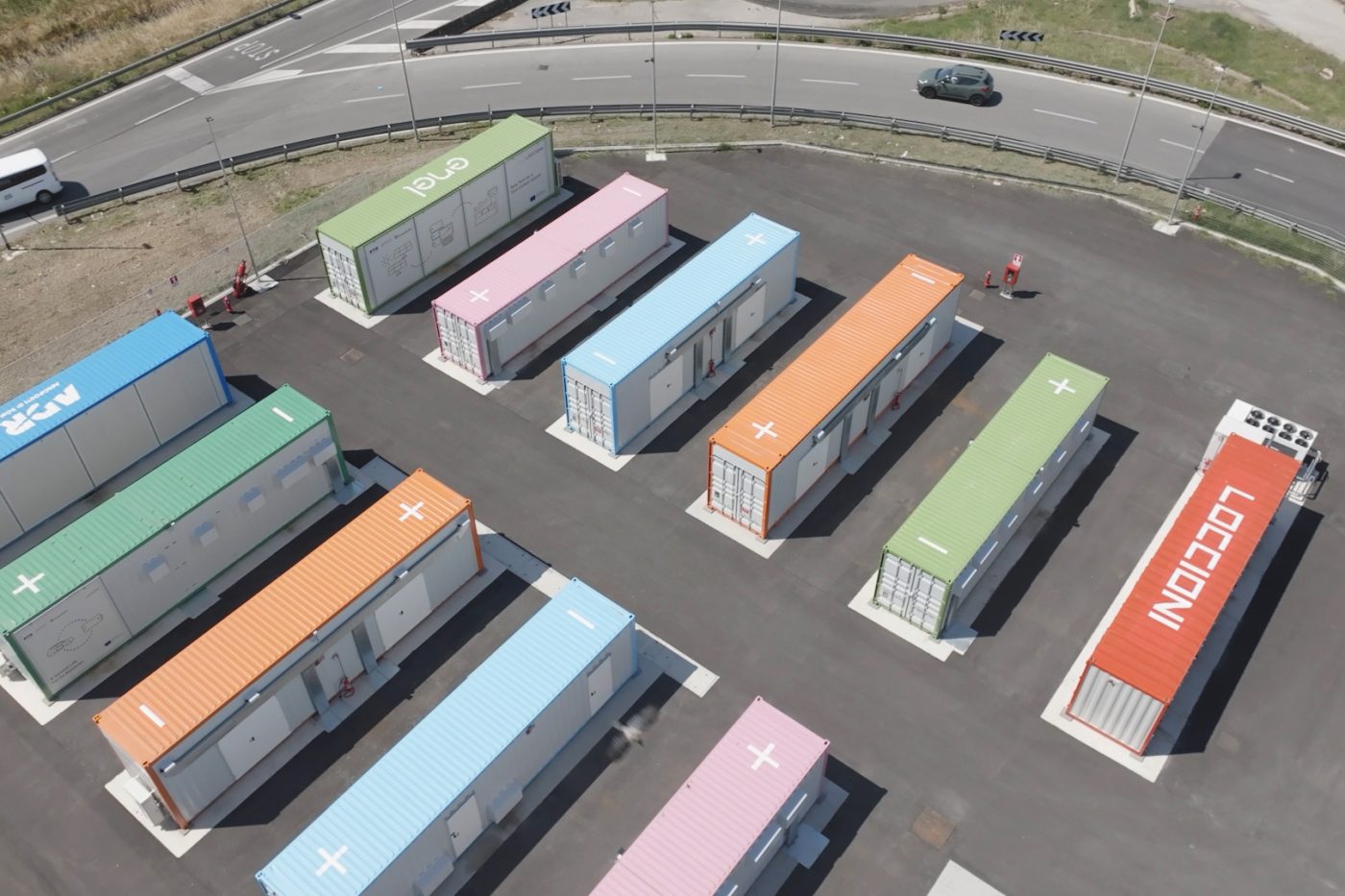
A concrete example of the application of these technologies in Italy is the PIONEER (airPort sustainability secONd lifE battEry stoRage) project at Rome Fiumicino Airport, developed by Loccioni with Enel for Aeroporti di Roma (ADR).
It is one of the largest energy storage systems in Europe, using second-life batteries from electric vehicles to store renewable energy and use it when needed. This 10 MWh system not only optimizes the use of energy generated by a large photovoltaic installation but, according to project estimates, will help reduce approximately 16,000 tons of CO₂ emissions over the next ten years.
Mobility and energy: two worlds coming together
As a systems integrator, Loccioni was able to provide an innovative, robust, and reliable solution, thanks to over forty years of experience in automotive component testing and in managing decarbonization energy projects.
Experience in automotive battery testing, crucial for identifying potential failure points, improving performance, and verifying safety during production, was crucial for designing this second-life application.
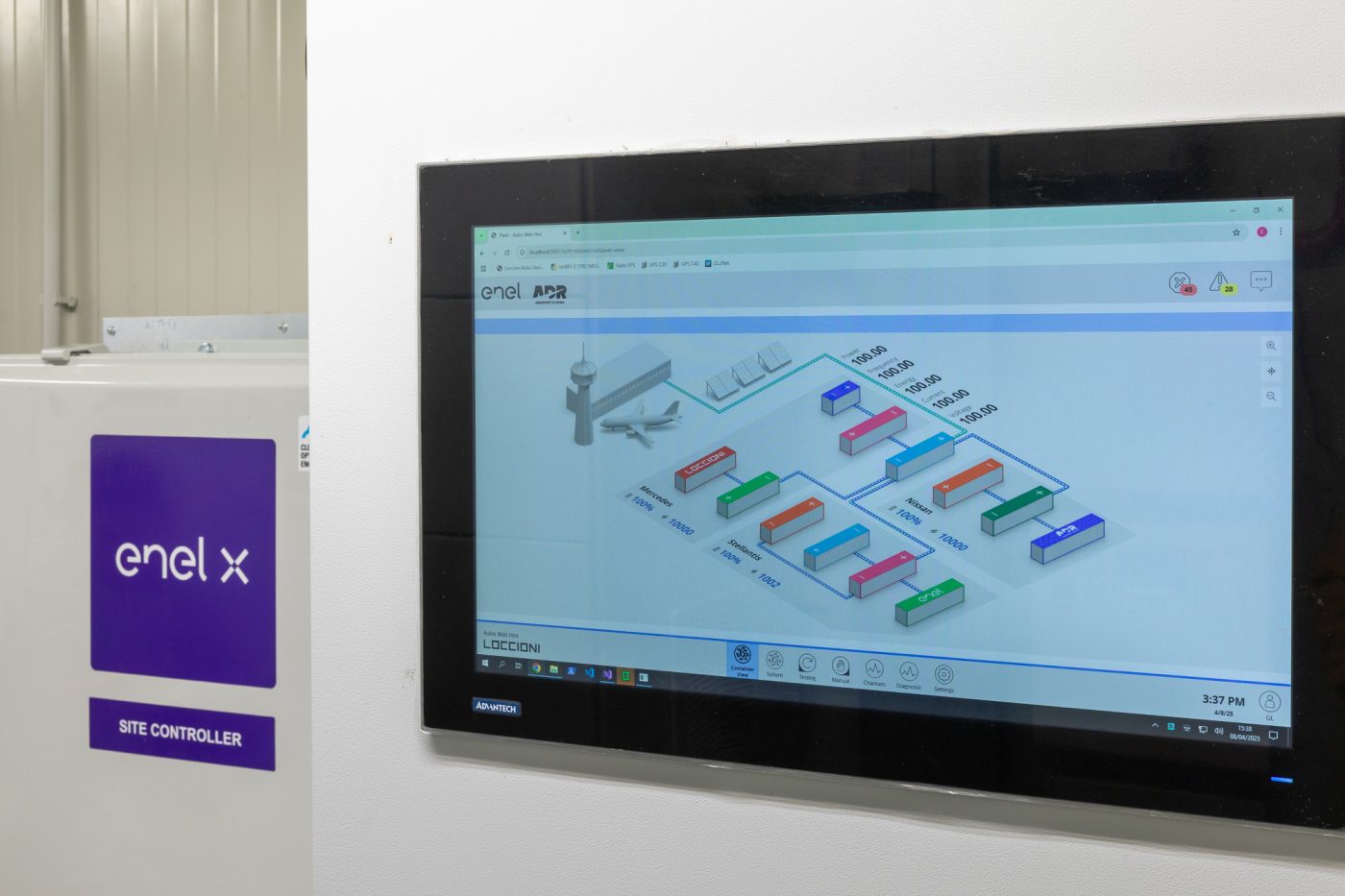
In the BESS PIONEER for the first time, modules from three different car manufacturers were integrated: Nissan, Mercedes-Benz, and Stellantis. The system combines both battery packs, taken directly from cars, and individual battery modules, thus optimizing energy management and overall lifespan. The system’s primary objective is to store renewable energy for airport terminals, while also helping to improve the stability and flexibility of the electric grid.
Second Life Storage and Circular Energy
PIONEER is the latest in a series of experimental second-life storage projects, including the Melilla Second Life, implemented by Loccioni for ENEL in the Spanish city on the African coast, and the Second Life Nomadic Lab in the Loccioni campus, first in Italy, powered by 24 batteries from used Nissan LEAF cars, totaling 1 MWh. Through continuous grid use and data analysis, information is returned to manufacturers and the quality of the solution is tested for stationary storage applications.
The PIONEER project, with its complexity, has ultimately opened up new scenarios not only for the decarbonization and electrification of industrial processes and products, but also for the optimization of electric grids, intelligent energy management, the development of large-scale sustainable solutions, and the convergence of practices and knowledge from automotive to energy.
The future, in this context, appears not as a distant hypothesis but as a choice today, a concrete opportunity to innovate, integrate technologies, and create circular and low-impact energy systems.